

 Sunil Ranjane | February 27, 2026
In today’s rapidly evolving industrial landscape, efficient connectivity solutions are more important than ever. Hybrid cables have emerged as a game-changing technology that simplifies complex wiring systems while improving performance and reducing costs. Whether you’re working in telecommunications, industrial automation, or renewable energy, understanding hybrid cables can help you make better decisions for your infrastructure needs.
What is a Hybrid Cable?
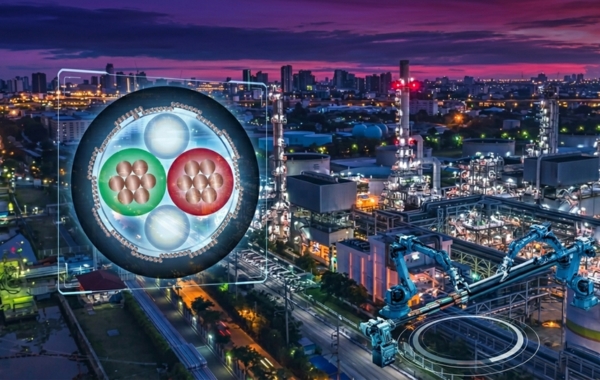
A hybrid cable is an innovative cabling solution that combines different types of conductors within a single protective jacket. Unlike traditional cables that serve only one purpose, hybrid cables integrate multiple functionalities into one streamlined package. Typically, these cables combine copper wires and optical fibers in a single cable structure, allowing simultaneous transmission of power, data, and control signals.
The beauty of hybrid cables lies in their versatility and efficiency. By consolidating multiple cable types into one, they eliminate the need for separate cable runs, reduce installation complexity, and save valuable space in cable trays and conduits. This integration makes them particularly valuable in applications where both electrical power and high-speed data transmission are required.
Types of Hybrid Cables
Hybrid cables come in various configurations designed to meet specific application requirements. Understanding the different types helps you select the right solution for your needs.
Fiber and Copper Cables Combined
This is the most common type of hybrid cable, integrating optical fibers with copper conductors in a single assembly. The optical fibers handle high-speed data transmission over long distances with minimal signal loss, while the copper conductors carry electrical power and control signals. This combination is particularly effective in telecommunications infrastructure, where data centers need both network connectivity and power supply.
Modern versions of these cables can support data transmission speeds exceeding several gigabits per second while simultaneously delivering power up to 24 kilowatts. The optical component ensures immunity to electromagnetic interference, making these cables ideal for environments with high electrical noise.
Power and Signal Cables Combined
These hybrid cables integrate power conductors with signal transmission wires, allowing equipment to receive both operating power and control signals through a single cable connection. This design is extensively used in industrial automation and robotics, where space constraints and cable management are critical concerns.
For example, in robotic applications, these cables can deliver motor power while simultaneously transmitting encoder data, control commands, and sensor feedback. This consolidation significantly reduces cable weight and improves the flexibility of moving parts, extending the operational life of robotic systems.
Uses of Hybrid Cables
Hybrid cables have found widespread adoption across numerous industries due to their versatility and performance advantages.
Telecommunications Industry
The telecommunications sector represents one of the largest markets for hybrid cables. With the rollout of 5G networks and expansion of fiber-to-home connections, hybrid cables provide an efficient solution for network infrastructure. They enable service providers to deliver both high-speed internet connectivity and backup power to network equipment through a single cable installation, reducing deployment time and costs.
Industrial Automation and Robotics
Manufacturing facilities increasingly rely on automation systems that require seamless integration of power, data, and control signals. Hybrid cables are specifically engineered for use in drag chain systems, where cables undergo continuous flexing and mechanical stress. They combine power supply, signal transmission, and sometimes encoder or bus communication lines into a single robust assembly optimized for dynamic industrial environments.
In robotic applications, hybrid cables reduce weight and improve flexibility while maintaining reliable performance. This is crucial for robotic arms and automated machinery that operate continuously with repetitive movements.
Renewable Energy Systems
Solar and wind energy installations utilize hybrid cables for power distribution and monitoring systems. These cables can withstand extreme temperatures and resist environmental factors like humidity, UV radiation, and saltwater corrosion in offshore applications. They serve as the critical link between power generation units and control systems, ensuring efficient energy transmission and real-time performance monitoring.
Medical Equipment
Healthcare facilities use hybrid cables in diagnostic equipment and surgical tools where precision and reliability are paramount. These cables provide the flexibility surgeons need while delivering both power and high-resolution data transmission for imaging and monitoring systems.
Transportation and Smart Cities
Modern transportation systems, including railways and electric vehicle charging infrastructure, depend on hybrid cables for efficient power delivery and data communication. Smart city initiatives also leverage these cables to support integrated technologies that require simultaneous power and network connectivity.
Benefits of Using Hybrid Cables
The adoption of hybrid cables offers numerous advantages that translate into both immediate and long-term value.
Space and Installation Efficiency
By combining multiple functions in a single cable, hybrid cables significantly reduce the space required in cable trays, conduits, and drag chains. This consolidation can save up to 60% of installation space compared to running separate cables. For facilities with limited infrastructure capacity, this space savings is invaluable.
Reduced Installation Costs
Installation becomes faster and simpler with hybrid cables because fewer cable runs are required. This reduction in labor time directly translates to lower installation costs. Additionally, fewer accessories such as cable ties, supports, and protective coverings are needed, further reducing material expenses.
Improved System Reliability
Fewer cables mean fewer connection points, which reduces potential failure points in the system. Hybrid cables undergo rigorous testing to ensure they can handle the demanding requirements of industrial environments, including continuous flexing, temperature extremes, and electromagnetic interference.
Enhanced Cable Management
Managing one cable is inherently easier than managing multiple cables. This simplification reduces the risk of cable tangles, damage from improper routing, and maintenance complexity. In applications requiring frequent movement, such as robotics or medical equipment, this benefit becomes even more significant.
Better Performance in Harsh Environments
Modern hybrid cables incorporate advanced materials that provide superior resistance to environmental challenges. They can operate reliably in temperature ranges from -40°C to +140°C, withstand chemical exposure, and maintain signal integrity in high-noise environments. Some specialized designs include fire-resistant properties that allow continued operation even during fire emergencies.
Future-Ready Infrastructure
Installing hybrid cables prepares your infrastructure for future technological advances. The integrated design accommodates evolving bandwidth requirements and power needs without requiring complete system overhauls.
How to Choose the Right Hybrid Cable
Selecting the appropriate hybrid cable requires careful consideration of several critical factors.
Assess Your Application Requirements
Begin by clearly defining what your system needs. Determine the required data transmission speeds, bandwidth capacity, power delivery requirements, and voltage levels. Consider whether your application involves stationary installation or dynamic movement. For moving applications, evaluate the type of flex required—whether torsional, rolling, or variable movement—and estimate the number of flex cycles the cable will experience over its lifetime.
Evaluate Environmental Conditions
Understanding your operating environment is crucial for cable longevity. Consider temperature ranges, humidity levels, exposure to chemicals or oils, UV radiation, and the presence of electromagnetic interference. For outdoor installations, assess weather exposure and potential for physical damage. Industrial settings may require cables with enhanced abrasion resistance and flame-retardant properties.
Consider Cable Construction and Materials
The materials used in hybrid cable construction significantly impact performance and durability. Insulation materials like XLPE (cross-linked polyethylene), PVC, PUR (polyurethane), or TPE (thermoplastic elastomer) each offer different benefits. XLPE provides excellent thermal stability and can extend cable life to 40-50 years. PUR offers superior flexibility and abrasion resistance, ideal for drag chain applications. TPE provides good flexibility and chemical resistance.
For high-flex applications, choose cables with high strand counts in the conductors—more strands generally mean better flexibility and longer flex life. Pay attention to shielding specifications, which protect against electromagnetic and radio frequency interference.
Verify Compliance and Certifications
Ensure the cable meets relevant industry standards and certifications. Look for compliance with standards such as IEC 60332 for flame resistance, UL certifications for electrical safety, and specific industry requirements. These certifications indicate the cable has undergone rigorous testing and meets established safety and performance benchmarks.
Calculate Distance and Signal Loss
For data transmission applications, consider the maximum distance the signal must travel. While optical fibers can transmit data over many kilometers with minimal loss, copper conductors have distance limitations. Ensure the cable is engineered specifically for low attenuation to maintain data integrity over your required distances.
Balance Cost and Quality
While budget considerations are important, prioritizing quality can yield significant cost savings over time. Higher-quality cables typically require less frequent maintenance and replacement, reducing long-term operational expenses. Consider the total cost of ownership, including installation, maintenance, and potential downtime costs, rather than just the initial purchase price.
Choose Reputable Manufacturers
Select cables from established manufacturers with proven track records in quality and reliability. Leading companies in the hybrid cable market include Prysmian Group, LAPP Group, Nexans, LEONI AG, igus GmbH, and Belden. These manufacturers offer technical support, comprehensive documentation, and warranty coverage that can be invaluable during installation and operation.
Frequently Asked Questions
Are Hybrid Cables Safe in Industrial Settings?
Yes, hybrid cables are specifically designed with industrial safety in mind. They incorporate multiple safety features including flame-retardant materials, electromagnetic shielding, and robust insulation that meets international safety standards such as UL certifications and IEC 60332 for flame resistance. Many hybrid cables also feature halogen-free compounds that produce less toxic smoke in case of fire, enhancing safety for personnel.
The integrated design of hybrid cables actually improves safety by reducing cable clutter and the risk of accidental disconnections. Proper installation following manufacturer guidelines further ensures safe operation. However, it’s essential to select cables rated for your specific application’s voltage, current, and environmental conditions.
How Long Will a Hybrid Cable Last?
The lifespan of hybrid cables varies based on several factors, but under optimal conditions, quality hybrid cables typically last between 25 to 40 years. Cables with XLPE insulation can achieve lifespans of 40 to 50 years or more with proper maintenance. The actual service life depends on:
Material Quality: Cables using advanced materials like XLPE for insulation and high-grade copper or aluminum conductors generally last longer. The jacket material also plays a crucial role—PUR and TPE materials offer excellent durability in demanding environments.
Operating Conditions: Cables operating within their specified temperature ranges and not subjected to excessive mechanical stress or chemical exposure will last significantly longer. Overloading or operating in extreme conditions can reduce lifespan by 50% or more.
Installation Quality: Proper installation is critical. Cables installed with excessive tension, sharp bends, or inadequate support may experience premature failure. Following manufacturer installation guidelines ensures optimal performance and longevity.
Maintenance Practices: Regular inspection and preventive maintenance extend cable life. Periodic checks for insulation damage, connector integrity, and signs of wear allow issues to be addressed before they lead to failures.
In high-flex applications such as robotics or drag chain systems, the flex life becomes the limiting factor. Quality hybrid cables designed for continuous flexing can withstand millions of flex cycles when properly specified and installed.
Do I Need Special Joints or Terminations?
Yes, hybrid cables typically require specialized connectors and termination accessories designed specifically for their multi-functional nature. Standard connectors won’t work because they need to accommodate both the optical and electrical components simultaneously.
Most reputable hybrid cable manufacturers offer compatible connector systems and provide detailed installation instructions. These specialized terminations ensure:
Signal Integrity: Proper termination maintains the performance characteristics of both the optical fibers and electrical conductors, preventing signal degradation or cross-talk between different functions.
Strain Relief: Specialized connectors include strain relief features that protect the cable from mechanical stress at the termination point, which is often where failures occur with improper connectors.
Environmental Sealing: Industrial-grade terminations provide appropriate sealing against moisture, dust, and contaminants, essential for harsh environment applications.
Ease of Installation: Modern modular designs allow for easier installation and maintenance, with plug-and-play functionality that reduces installation time and potential errors.
While the initial investment in proper termination accessories may be higher, they’re essential for achieving the reliability and performance advantages that hybrid cables offer. Many manufacturers also offer pre-terminated cable assemblies that further simplify installation and ensure quality connections.
Conclusion
Hybrid cables represent a significant advancement in connectivity technology, offering practical solutions for modern infrastructure needs. By combining power, data, and signal transmission in a single package, they deliver tangible benefits in space efficiency, cost reduction, and reliability. As industries embrace automation and smart technologies, hybrid cables provide the flexible, future-ready infrastructure needed. Whether upgrading existing systems or planning new installations, hybrid cables offer an excellent combination of performance, efficiency, and cost-effectiveness.
For projects that demand consistent quality and technical precision, Elegar Kerpen is a trusted manufacturing partner offering a comprehensive range of hybrid and application-specific cable solutions engineered to international standards. Their expert team is ready to help you find the right cable solution for your specific needs. Visit elegar-kerpen.com, call +91 70309 63540, or reach out at contact@elegar-kerpen.com to discuss your project requirements.
Author
More for you to read
What is a Profibus Cable? Types, Uses, Benefits
Profibus cable is a specialized industrial communication cable used to connect field devices such as sensors, actuators, drives, and PLCs...

What Are Power Cables? Types, Uses, Benefits & Guide to Choose
Every time you switch on a light, start a machine, or power a building, electricity travels through a power cable...