
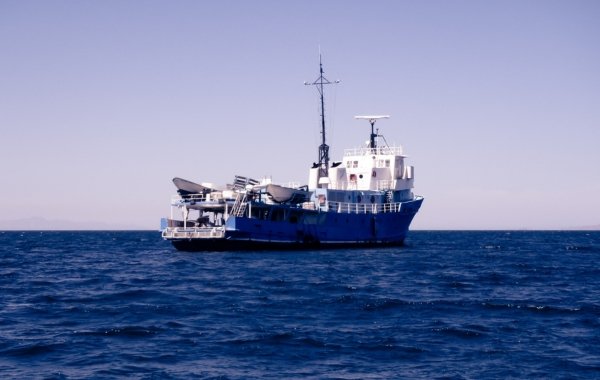
Faulty wiring is one of the leading causes of fires and electrical failures on boats. Whether you own a small fishing vessel, a sailing yacht, or manage a commercial fleet, the type of cable you use on board makes all the difference. Marine cables are designed specifically for the harsh conditions at sea, and using the wrong cable can be hazardous.
In this guide, you will learn what marine cables are, the different types available, what marine cables are used for, and why investing in the right marine-grade cable protects your boat and everyone on it.
What is Marine Cable?
Marine cable is a type of electrical cable designed and built for use in boats, ships, and another watercraft. Unlike standard electrical cables used in homes or cars, marine cables are designed to withstand constant exposure to saltwater, moisture, UV radiation, vibration, and extreme temperatures.
The key difference lies in its construction. Marine cables use tinned copper conductors, which resist corrosion far better than bare copper. The insulation is also specially formulated to resist oil, fuel, ozone layers, and abrasion.
How Marine Cable Differs from Standard Cable
| Feature | Marine Cable | Standard Electrical Cable |
|---|---|---|
| Conductor material | Tinned copper (corrosion resistant) | Bare copper |
| Insulation | Oil, UV, and moisture resistant | Basic PVC or rubber |
| Flexibility | Multi-strand, high flexibility | Less flexible |
| Safety standards | ABYC, UL 1426, IEC 60092 | General NEC or IEC standards |
| Suitable for marine use | Yes | No |
Using standard automotive or household cable on a boat shortens the cable’s life, increases the risk of short circuits, and can lead to onboard fires. Marine-grade cable is not just a recommendation; in most countries, it is a safety requirement.
Types of Marine Cable
Marine cables come in several types; each is designed for a specific purpose on board. Choosing the right type depends on whether you are wiring DC circuits, AC shore power, navigation electronics, or communication systems.
1. Marine Primary Wire
Marine primary wire is a single-conductor cable used for general DC wiring on boats. It is the most common type found on smaller vessels for connecting switches, lights, pumps, and accessories. It comes in a range of gauges (AWG sizes) to match different current loads.
2. Tinned Copper Marine Cable
This is the gold standard for marine wiring. The tinning process coats each strand of copper wire with a thin layer of tin, which acts as a barrier against saltwater corrosion. It is the best choice for areas that are regularly exposed to moisture, such as bilges, engine rooms, and outdoor deck fittings.
3. Marine Battery Cable
Marine battery cables are thick, high-ampacity cables built to carry the heavy current needed to start engines and connect battery banks. They have flexible multi-strand cores for easy routing and durable insulation that resists oil and heat.
4. Marine Duplex and Triplex Cable
Duplex cable carries two conductors (positive and negative) within a single jacket, making it ideal for simple two-wire circuits. Triplex cable adds a third conductor, typically used for bilge pumps and navigation light circuits where a ground wire is needed.
5. Shore Power Cable
A shore power cable connects a boat to a dockside AC electrical supply. These cables are built to handle 30-amp or 50-amp AC power and are weather-resistant, flexible, and designed for regular plugging and unplugging.
6. Marine Coaxial Cable
Marine coaxial cables are used to connect VHF radios, GPS units, fish finders, and AIS transponders to their antennas. It has a low signal loss rating and is sealed against moisture to keep navigation electronics performing accurately.
7. Fiber Optic Marine Cable
Found on larger or more advanced vessels, fiber optic cables transmit data at high speed for integrated navigation systems, CCTV, and entertainment systems. They are immune to electromagnetic interference and are ideal for complex onboard networks.
Here is a quick reference summary of marine cable types:
| Cable Type | Key Feature | Best Used For |
|---|---|---|
| Marine primary wire | Single conductor, flexible | General DC circuits, lights, and pumps |
| Tinned copper cable | Corrosion-resistant tinned strands | Bilge, engine room, wet areas |
| Marine battery cable | High ampacity, oil-resistant | Engine starting, battery banks |
| Duplex / triplex cable | Multi-conductor in one jacket | Bilge pumps, navigation lights |
| Shore power cable | AC rated, weather-resistant | Dock-to-boat power connection |
| Marine coaxial cable | Low signal loss, moisture sealed | VHF, GPS, AIS antenna runs |
| Fiber optic marine cable | High-speed data, EMI immune | Onboard networks, CCTV, navigation |
What is Marine Cable used for?
Marine cables are used across every electrical system on a boat or ship. From running basic navigation lights to powering complex onboard electronics, the right marine cable keeps everything working safely and reliably.
Power Distribution
The most common use is distributing 12V or 24V DC power throughout a vessel. Marine primary wire and tinned copper cable connect the battery bank to switches, fuse panels, lights, bilge pumps, windlasses, and other onboard equipment.
Marine Electronics and Navigation
Modern boats rely heavily on electronics. Marine coaxial cable connects GPS chart plotters, VHF radios, radar units, fish finders, and AIS transponders. Accurate data from these devices depends on signal-quality cable runs that resist moisture and interference.
Shore Power Connections
When a boat is docked at a marina, a shore power cable delivers 120V or 240V AC electricity from the dock pedestal to the boat’s AC system. This powers air conditioning, battery chargers, water heaters, and other high-draw appliances.
Battery Charging Systems
Marine battery cables connect solar panels, alternators, and shore power chargers to battery banks. These cables must handle high current over short distances, so correct gauge selection is critical for safety and charging efficiency.
Commercial and Offshore Applications
On cargo ships, tankers, ferries, and offshore oil platforms, marine cables power critical systems including propulsion controls, safety systems, communication equipment, and cargo handling machinery. These applications use heavy-duty cables that meet international marine standards such as IEC 60092.
Recreational Vessels
On yachts, sailboats, and motorboats, marine cables are used for everything from cabin lighting and refrigerators to electric winches and water makers. Good marine wiring keeps the boat comfortable, safe, and easy to maintain.
Key Benefits of Using Marine-Grade Cable
Switching to proper marine-grade cable is not just about compliance. It brings real, practical advantages that protect your investment and keep people safe.
- Corrosion resistance: Tinned copper conductors do not corrode when exposed to salt air and moisture, unlike bare copper, which oxidizes and loses conductivity over time.
- Fire safety: Marine cable insulation is flame-retardant, which reduces the risk of electrical fires spreading through the vessel.
- Flexibility and vibration resistance: Multi-strand construction allows the cable to flex and move with the boat without cracking or breaking.
- Long service life: Marine-grade materials outlast standard cables by several years in harsh conditions, lowering replacement costs.
- Regulatory compliance: Marine cables meet ABYC, UL 1426, and IEC 60092 standards, which may be required for insurance, survey, and charter licensing.
- Performance in extreme temperatures: Rated for a wide temperature range, these cables work reliably in tropical heat as well as cold-water climates.
How to Choose the right Marine Cable
Picking the correct marine cable comes down to matching the cable specifications to your application. Here are the key factors to consider:
- Voltage and current (amperage): Always match the cable’s current-carrying capacity to the load it will serve. Use an AWG wire gauge chart to find the right size based on the circuit’s amperage and the length of the cable run.
- AC or DC system: AC wiring for shore power uses different colour codes and insulation ratings than DC wiring. Never mix the two.
- Environment: Cables in bilges, engine rooms, or exposed deck fittings need the best moisture and heat resistance. Use tinned copper cable in these areas.
- Length of the cable run: Longer runs cause a voltage drop. A thicker gauge cable is needed to maintain voltage across longer distances.
- Certification requirements: Check whether your vessel type or flag state requires cables that meet a specific standard, such as UL 1426 or IEC 60092.
- Connector compatibility: Choose cables that are compatible with marine-grade terminals, connectors, and bus bars to ensure reliable connections.
Marine Cable Installation Tips and Best Practices
Proper installation is just as important as choosing the right cable. Even the best marine cable can fail if it is not installed correctly.
- Use marine-grade crimp terminals and heat-shrink connectors to seal all connections against moisture.
- Avoid mixing different metals at connection points, as this causes galvanic corrosion over time.
- Secure all cables with marine-grade plastic clamps or conduits to prevent chafing against sharp edges.
- Route cables away from fuel lines, exhaust systems, and heat sources.
- Label every circuit clearly at both ends so that troubleshooting and maintenance are simple.
- Test all connections with a multimeter after installation to confirm there are no shorts, open circuits, or excessive resistance.
- Keep cable runs as short and direct as possible to reduce voltage drop and clutter.
Frequently Asked Questions
Can marine cables be used underground or in conduit?
Yes, marine cable can be used in underground or conduit applications, especially in harsh environments like coastal areas, boat yards, or waterfront facilities. The same corrosion-resistant properties that protect marine cable on boats also make it suitable for buried installations where moisture and salt are present. However, always check that the cable’s voltage rating and insulation type match your specific underground application requirements.
What is the difference between stranded and solid core marine cable?
Marine cable almost always uses stranded conductors, which means the wire is made from many thin copper strands twisted together. This makes the cable flexible and resistant to breaking from vibration or movement. Solid core cable, which uses a single thick wire, is not suitable for marine use because it can crack or snap when the boat moves or flexes.
Do I need to replace all my boat wiring at once?
No, you do not need to replace all wiring at once unless there is a major safety issue. It is better to prioritize areas that are most critical or most exposed to moisture, such as bilge pump circuits, engine room wiring, and battery connections. You can gradually upgrade the rest of the wiring during routine maintenance or when adding new equipment.
How do I know if my existing marine cable has gone bad?
Signs of degraded marine cable include visible corrosion on exposed wire ends, cracked or brittle insulation, discoloration or melting near connections, intermittent power loss, or a burning smell near electrical panels. If you notice any of these, the affected cables should be replaced immediately to avoid fire or system failure.
What color codes are used for marine DC wiring?
Marine DC wiring follows the ABYC color code standard. Red is used for positive DC power, yellow for negative DC return from most equipment, and black or yellow for negative return in some circuits. Green or green with yellow stripes is used for grounding. These color codes help with safety and troubleshooting, so it is important to follow them during installation.
Can I extend marine cable by splicing it?
Splicing marine cable is not recommended in most cases. Every splice is a potential weak point for moisture entry and corrosion. If you must splice, use marine-grade heat-shrink butt connectors, double-wall adhesive-lined heat shrink, and apply marine sealant. A better option is to replace the entire cable run with a single continuous length.
Is marine cable waterproof?
Marine cable is water-resistant, not fully waterproof. The insulation protects the wire from moisture and prevents short circuits in normal wet conditions. However, the ends of the cable and connection points are where water can enter. Proper sealing with heat-shrink terminals, waterproof connectors, and marine sealants is essential to keep moisture out of the electrical system.
What does AWG mean, and how do I choose the right size?
AWG stands for American Wire Gauge. It is a standard system for measuring wire thickness. The lower the AWG number, the thicker the wire. For example, 10 AWG is thicker than 14 AWG. To choose the right size, you need to know the maximum current (amps) the circuit will carry and the total length of the wire run. Use an ABYC wire sizing chart to match these values to the correct AWG size.
Can I use marine cable for solar panel installations on land?
Yes, tinned copper marine cable is often used in off-grid solar installations, especially in coastal or high-humidity areas. The corrosion resistance and UV-rated insulation make it a good choice. However, for permanent land-based solar systems, you should also check local electrical codes, as some regions require cables with specific solar ratings such as PV wire or USE-2.
How often should I inspect my boat’s electrical wiring?
You should visually inspect all accessible wiring at least once per season or before any long voyage. Check for signs of chafing, corrosion, loose connections, or damaged insulation. Pay special attention to areas near the engine, bilge, and battery compartment. Any issues should be addressed immediately to prevent failures at sea.
Conclusion
Marine cable is a critical part of any safe and reliable boat electrical system. Using the right type of cable, sized and installed correctly, prevents corrosion, reduces fire risk, and ensures your electronics and power systems work when you need them most. Whether you are wiring a new vessel or upgrading an older one, marine-grade cable is always the right choice.
Get Expert Marine and Industrial Cable Support from Elegar Kerpen
Elegar Kerpen has been a trusted supplier of industrial and marine cable solutions for over a decade. Their team of certified engineers helps businesses and vessel operators select, specify, and source the right cables for every application, backed by technical expertise and a commitment to quality that keeps electrical systems running without interruption.
Contact Elegar Kerpen today:
Phone: +91 70309 63540
Email: contact@elegar-kerpen.com
Reach out to their team to discuss your cable requirements, request a product recommendation, or get a quote tailored to your project.
About Elegar Kerpen
Elegar Kerpen is a trusted industrial cable solutions provider with extensive hands-on experience supporting automation engineers and facility managers across a broad range of industries. Our technical team recommends and supplies the right cable for your network requirements, environment and performance targets, and delivers certified, specification-compliant cable backed by technical support from enquiry through to commissioning.
Get in touch with us:
Phone: +91 70309 63540
Email: contact@elegar-kerpen.com
More for you to read