Wind Cable

Turbine-Grade
Wind Cables

Built by Elegar Kerpen to carry turbine power through torsion, weather and constant motion.
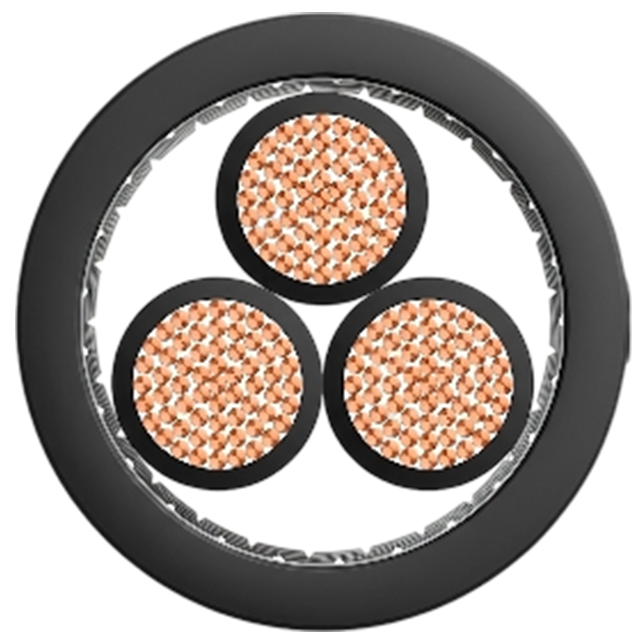
Three-core wind turbine power cable cross-section
Wind Turbine Power Cable · EPR Insulated / Elastomer Sheath

Disclaimer: Cross-section shown is a representative illustration; actual product construction and dimensions may vary.
10–300mm²
Conductor Size Range
Class 5
Flexible Copper Conductor
25 Years
Service Life, Up To
40+ Countries
Global Export Reach
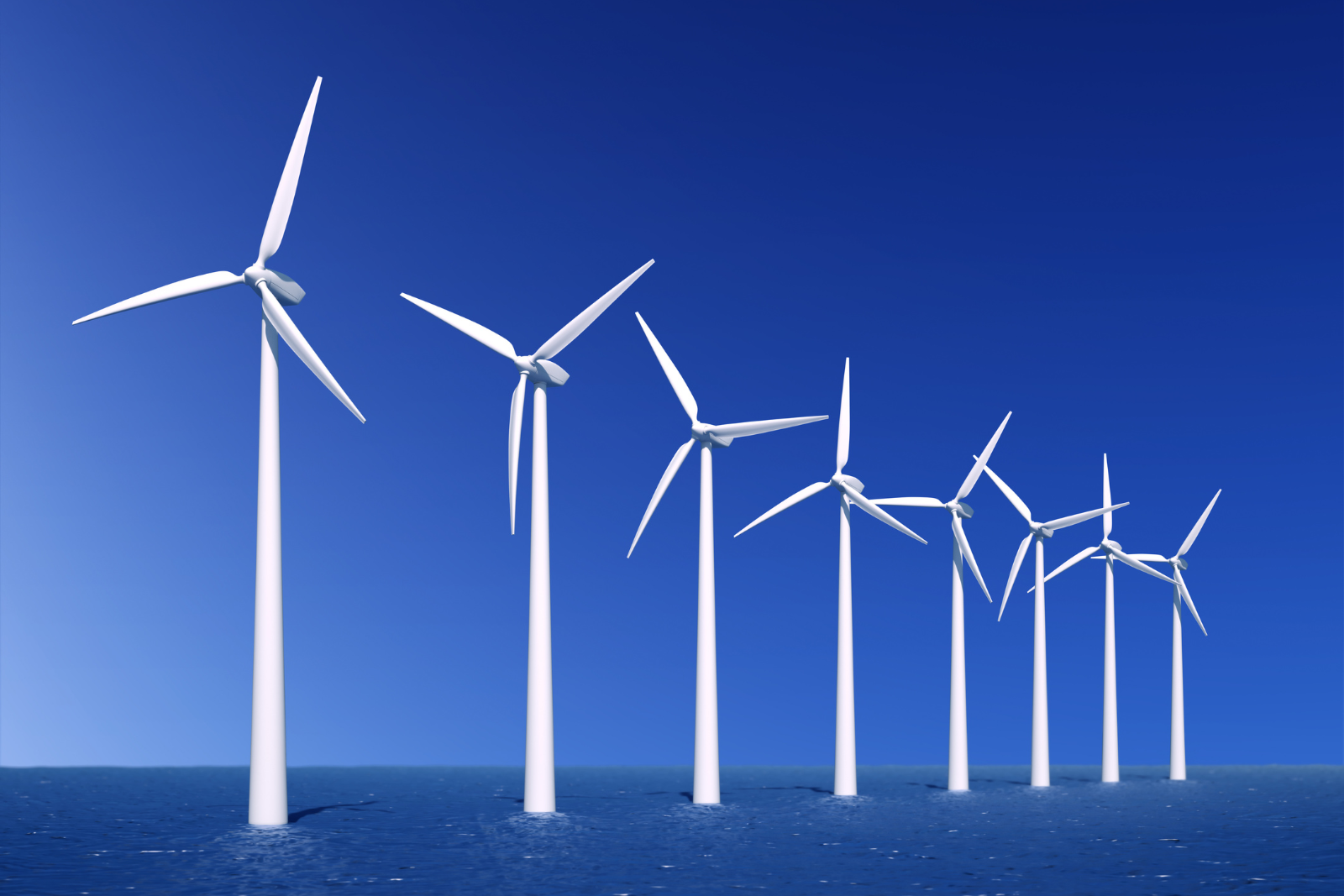
Wind turbines generating power at a utility-scale wind farm
About this product

Global Wind Cables

At Elegar Kerpen, one of the most trusted wires and cables manufacturers in India, our wind cables are engineered for the operating realities of renewable energy sites. Flexible class-5 copper conductors, EPR insulation and a specially compounded elastomer sheath are combined to handle torsional stress, temperature swings and moisture exposure, so power moves reliably from the generator to the grid across onshore and offshore installations alike.

What a wind cable does
Wind cables are specialised conductors that transmit generated power from a wind turbine down through the tower to the base station, collection substation and finally the distribution network. Because the nacelle rotates continuously to follow wind direction, these cables must absorb constant twisting and mechanical flexing while maintaining full electrical performance for the entire service life of the turbine.
Use cases

Applications of Wind Cables

Wind cables serve multiple critical functions across wind energy infrastructure, from the nacelle to the grid connection point.

01
Nacelle to Base Station Power
Carrying generated power down from the nacelle while accommodating its continuous rotation. Elastomeric compounds manage torsional stress and repeated flexing without interrupting power flow.
02
Tower Internal Cabling Systems
Connecting electrical components and control systems through the tower interior, resisting vibration, temperature variation and environmental moisture while retaining structural integrity.
03
Collection System Connections
Linking multiple turbines to collection substations. Robust construction handles aggregated power loads over long distances while resisting outdoor environmental exposure.
04
Grid Connection & Distribution
Final-stage connections from substation transformers into the main power grid, where high-capacity transfer efficiency and electrical safety standards are non-negotiable.
05
Rotor Blade Pitch Control
Control and instrumentation constructions feeding blade pitch actuators, keeping command signals accurate through the rotating hub environment.
06
Yaw Control Systems
Signal transmission for yaw drives that align the nacelle with wind direction, engineered for the repeated rotation this function demands.
07
Anemometer & Sensor Feedback
Low-level signal transfer from anemometers and condition sensors to the turbine controller, with minimal loss for accurate readings and safe operation.
08
Top Box & Remote Data Logging
Wiring for top box equipment and remote data logging links, built to customer requirements and conforming to applicable national and international standards.
Technical data

Wind Cable Construction

Full construction parameters available in our comprehensive product catalogue. Custom sizes on request from our applications engineering team.

Wind Cable Construction Parameters
ConductorFlexible class-5 tinned or bare copper conductors, made to IEC 60228 / IS 8130
Range10 sq.mm to 300 sq.mm
InsulationEPR (Ethylene Propylene Rubber)
SheathSpecial elastomer compound with Oil, Fire, Hydrolysis and Torsion Resistant properties
Zero Halogen SheathAvailable upon request
Control & Instrumentation CableFor wind energy applications such as rotor blade pitch control, yaw control, top box, anemometer feedback and remote data logging
ConstructionAs per customer's requirement, conforming to various national / international standards
Installation TypesOnshore and offshore wind farms of any scale
Standards ComplianceDIN VDE 0250-813, IEC 60502
Compliance

Wind Cable Standards

DIN VDE 0250-813
Wind Turbine Cables
IEC 60502
Power Cables
IEC 60228
Conductor Classes
IS 8130
Conductor Requirements
DNV-GL
Renewable Energy
Product enhancements

Additional Properties

The cable can be manufactured with:

Zero Halogen Sheath available upon request
Oil, Fire, Hydrolysis and Torsion Resistant elastomer sheath
Tinned or bare flexible class-5 copper conductors
UV and weather resistance for prolonged outdoor exposure
Enhanced corrosion and moisture resistance for offshore installations
Lightweight aluminium and advanced conductor options, up to 70% weight reduction
Custom control & instrumentation constructions per customer requirement
Extended temperature cycling performance for nacelle environments
Product advantages

Why Elegar Kerpen Wind Cables?

Eight measurable advantages built into every cable, from manufacturing floor to turbine tower.

Durability & Longevity
Resists UV exposure, moisture and extreme temperature cycling, extending service life significantly across the turbine's operating lifespan.
Torsional Stress Management
Specialised elastomeric compounds handle the unique rotational demands of nacelle-mounted equipment without fatigue or performance loss.
Lightweight Efficiency
Advanced conductor materials reduce installation complexity and structural load without compromising electrical performance.
Safety Compliance
Every wind cable meets international standards for electrical safety and environmental protection, verified through in-house testing.
Onshore & Offshore Ready
Tailored specifications for both onshore and offshore wind farms of any scale, with enhanced corrosion and moisture resistance at sea.
Reliable Partnership
Technical support through installation and beyond, ensuring optimal performance across your wind energy system's lifespan.
Advanced E-Beam Technology
Electron beam cross-linking with hybrid crossfire technology delivers superior thermal and mechanical properties in the finished cable.
ISO-Certified Manufacturing
Multi-standard compliance and proven global presence, with exports to over 40 countries backed by decades of cable engineering expertise.
Support FAQ

Frequently Asked Questions

Common technical and commercial questions about Elegar Kerpen wind cables.

What makes wind turbine cables different from regular power cables?
Wind cables must withstand constant rotation, extreme weather conditions and UV exposure while maintaining flexibility and electrical performance in challenging nacelle environments.
Can Elegar Kerpen's wind farm cables work in offshore installations?
Yes. Our wind turbine power cables are specifically designed for both onshore and offshore applications, with enhanced corrosion and moisture resistance for marine environments.
How long do wind cables typically last?
Properly installed and maintained Elegar Kerpen wind cables provide up to 25 years of reliable service, matching typical wind turbine operational lifespans.
Are lightweight cable options available?
Yes. We offer aluminium and advanced conductor options that reduce weight by up to 70% compared with traditional copper, while maintaining equivalent electrical performance.
What certifications do your wind cables hold?
Our wind turbine cable range meets IEC, DNV-GL and international renewable energy standards, ensuring quality and safety compliance across every project.
Can you provide custom wind cable solutions?
Absolutely. Our engineering team develops customised wind farm cable specifications tailored to your specific turbine model and environmental requirements.