Instrumentation Cable

Precision-Driven
Instrumentation Cables

Built by Elegar Kerpen to carry low-level sensor signals across the plant without loss or interference.
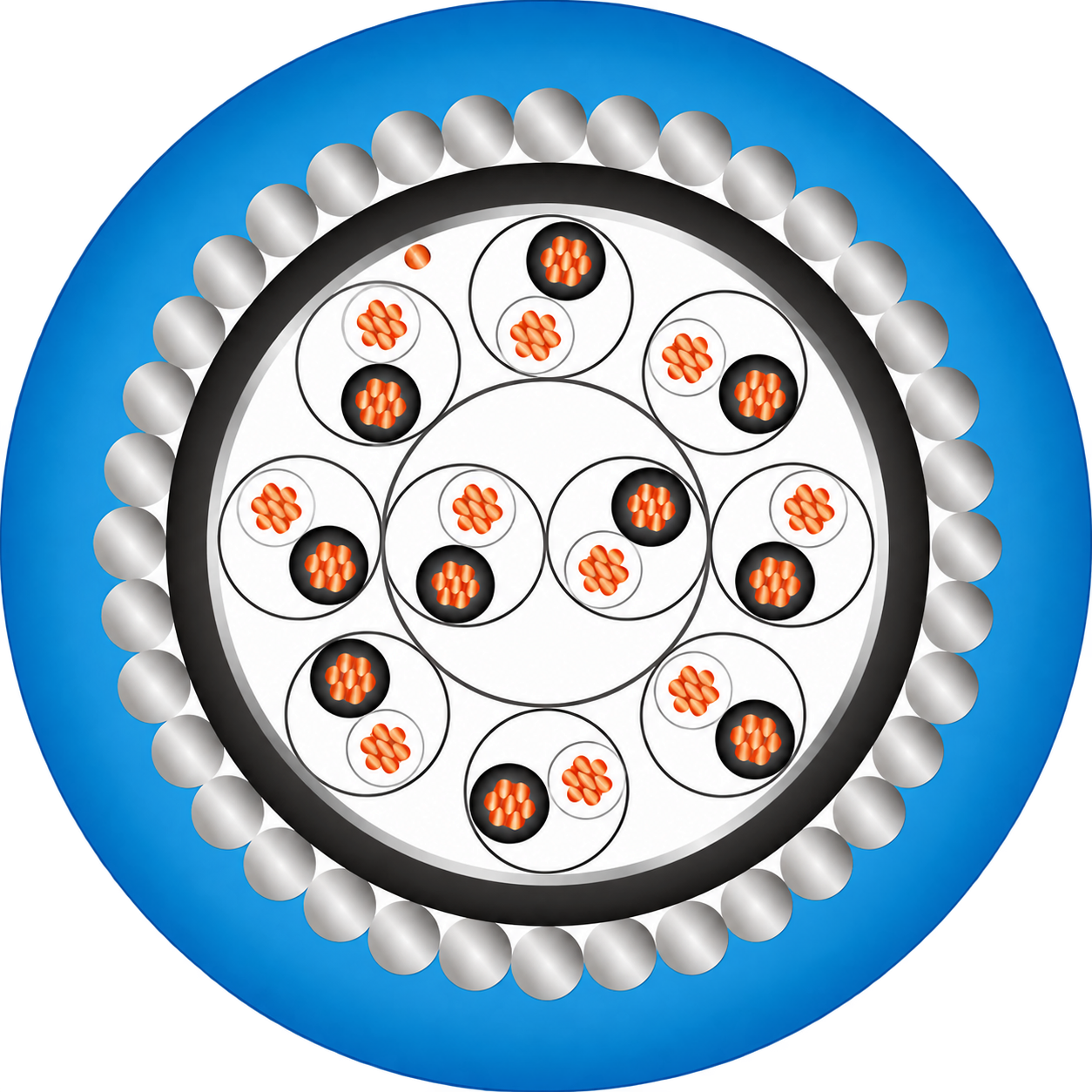
Armoured multipair instrumentation cable cross-section
Armoured Multipair Instrumentation Cable · Individual & Collective Screening

Disclaimer: Cross-section shown is a representative illustration; actual product construction and dimensions may vary.
600V
Max Voltage Grade
Dual Screened
Individual + Collective
5 Standards
BS EN · IEC · UL · DEF · ANS
40+ Countries
Global Export Reach
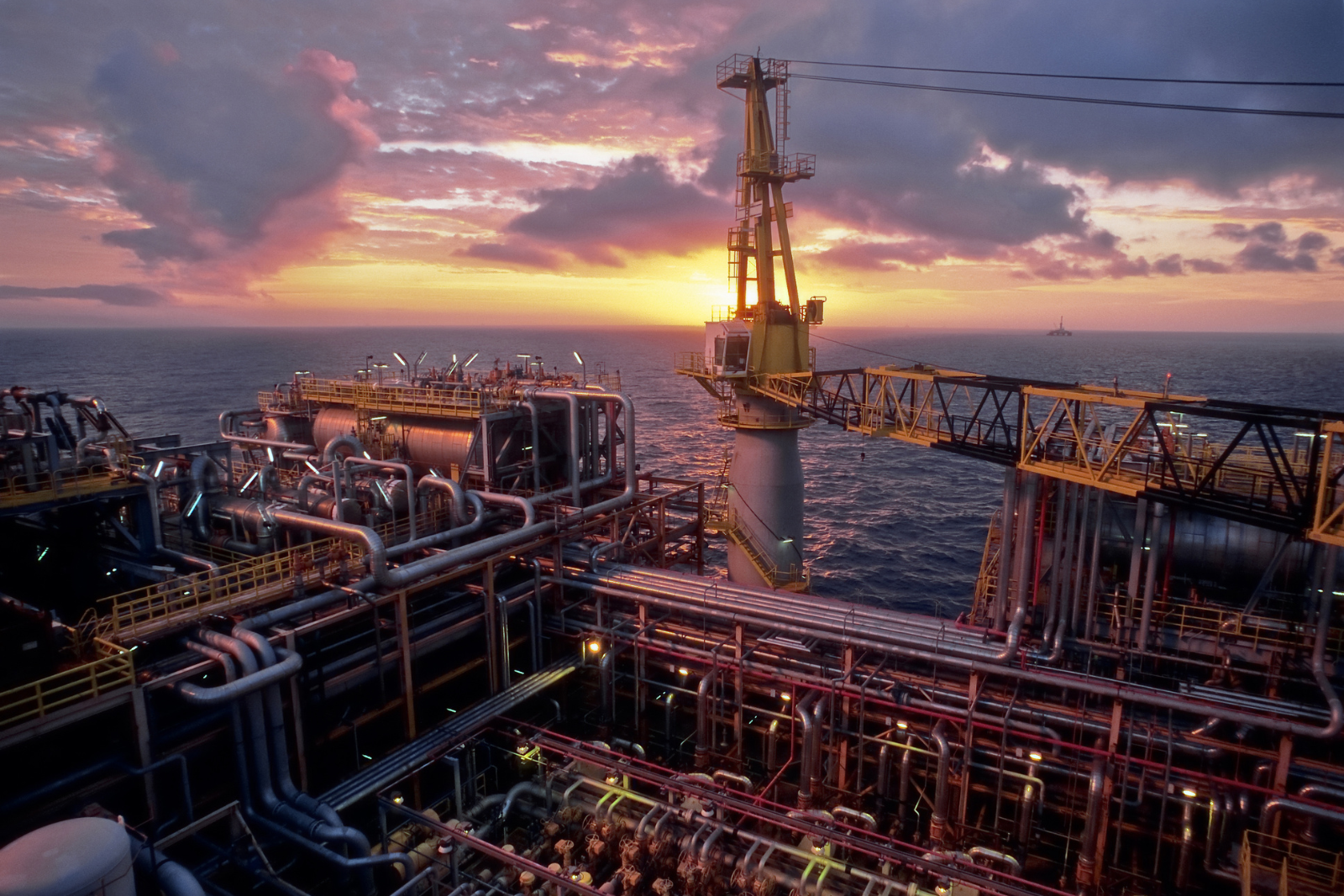
Oil and gas refinery with process pipework and instrumentation
About this product

Global Instrumentation Cables

Modern industrial operations depend on precision monitoring and control, where even minor signal disruptions can compromise process efficiency and safety. At Elegar Kerpen, one of the most trusted wires and cables manufacturers in India, instrumentation cables are engineered to the exacting requirements of power plants, chemical processing facilities, oil and gas installations, and advanced manufacturing units. ISO-certified manufacturing and our E-beam technology with hybrid crossfire capability deliver cables that hold signal integrity and operational reliability across the most demanding projects.

What an instrumentation cable does
Instrumentation cables form the communication backbone between field sensors and control rooms, carrying low-level analogue and digital signals over considerable distances while protecting them from electromagnetic interference, moisture, and the harsh conditions typical of industrial sites. Twisted pairs and screening keep signals intact between sensors, transmitters, PLCs, and DCS systems.
Use cases

Applications of Instrumentation Cables

Critical signal links across multiple industrial verticals, from field sensor to control room.

01
Process Plant Control
Connecting temperature, pressure, flow, and level sensors to DCS and PLC systems in chemical plants, refineries, pharmaceutical facilities, and fertiliser manufacturing units for precise process control.
02
Oil & Gas Operations
Reliable signal transmission across upstream exploration, pipeline monitoring, wellhead instrumentation, and downstream processing environments exposed to extreme conditions.
03
Power Generation
Critical measurements in thermal, nuclear, hydro, and renewable energy plants, supporting turbine monitoring, emissions control, and safety instrumentation systems.
04
Analyser & Transmitter Networks
Communication between analysers, transmitters, and control rooms in manufacturing plants, enabling real-time process monitoring and automated adjustment of running parameters.
05
Water & Wastewater Treatment
Monitoring of quality parameters, flow measurement, and chemical dosing systems across municipal and industrial wastewater treatment facilities.
06
Laboratories & Test Facilities
Precision analogue and digital signals carried from measurement equipment to data acquisition systems with minimal interference and signal degradation.
Technical data

Instrumentation Cable Construction

Full construction parameters available in our comprehensive product catalogue. Custom sizes and screening configurations on request from our applications engineering team.

Instrumentation Cable Construction Parameters
Voltage300 V / 500 V / 600 V
ConductorAnnealed Tinned / Plain Stranded Copper Conductor
InsulationPVC / XLPE / XLPO / SiR / EPR
ConstructionTwisted pairs, triads and multipair configurations
Individual ScreeningAl-mylar Tape with Tinned Copper Drain Wire
Collective ScreeningAl-mylar Tape with Tinned Copper Drain Wire / ATC Braiding
Inner SheathPVC Type ST1 / ST2 / FR-LSH / LSZH / FR / TPE
ArmouringGI Steel Round / GI Strip / GI Braid Armour
Outer SheathPVC Type ST1 / ST2 / FR-LSH / LSZH / FR / TPE
Standards ComplianceBS EN, IEC, UL, DEF, ANS
Compliance

Instrumentation Cable Standards

BS EN
British & European
IEC
International
UL
North American
DEF
Defence Standard
ANS
American National
Product enhancements

Additional Properties

The cable can be manufactured with:

Smoke Density / FRLS / LSZH, and Light Transmission
Anti-Termite and Anti-Rodent Properties
UV Resistance Properties (As per ASTM G 154 & 155, ISO 4892-2 Method A, UL 1581)
Acid, Alkali, Sulphur & Oil Resistance (as per IEC 60881-404)
Operating Temperature Rating ranging from -40°C to +105°C
MICA for Fire Survival / Resistance properties up to 950°C
Water Resistance / Water Blocking Tape
RoHS & REACH compliance
Product advantages

Why Elegar Kerpen Instrumentation Cables?

Eight measurable advantages built into every cable, from manufacturing floor to field installation.

ISO-Certified Excellence
Manufactured under ISO 9001, ISO 14001, and ISO 45001 certified processes for consistent quality, environmental responsibility, and workplace safety.
Multi-Standard Compliance
Designed and tested against IS, IEC, BS, ASTM, EN, VDE, DIN, UL, and customer-specific specifications for global project compatibility.
E-Beam Cross-Linking
India's only E-beam cable line with hybrid crossfire technology, delivering superior cross-linking across the insulation wall.
Enhanced Dielectric Strength
Cross-linked insulation raises dielectric performance and durability, holding signal quality over long service life in hard conditions.
Flexible Screening Options
Individual, collective, or combined screening with Al-mylar tape and drain wire or ATC braiding, matched to the interference profile on site.
Proven Global Track Record
Exported to over 40 countries with established reliability on critical instrumentation projects across continents.
Broad Sector Experience
Deployed across solar and wind power, oil and gas, defence, transportation, and process industries under widely differing site conditions.
Customisation Capability
A large-scale manufacturing facility supports tailored shielding configurations, insulation materials, and construction designs for unique project requirements.
Support FAQ

Frequently Asked Questions

Common technical and commercial questions about Elegar Kerpen instrumentation cables.

What is an instrumentation cable?
An instrumentation cable is a low-voltage signal cable designed for accurate data transmission in industrial process control systems. Twisted pairs and screening protect against EMI and hold signal integrity between sensors, transmitters, PLCs, and DCS systems.
How many types of cable are used in instrumentation?
The range covers individually shielded, collectively shielded, and individually plus collectively shielded types, along with armoured instrumentation cables, thermocouple extension cables, and multipair cables. Each type suits specific applications based on EMI protection, mechanical strength, and signal transmission requirements.
What is instrumentation cable used for?
They are used in process control systems, industrial automation, oil and gas plants, power generation, and water treatment facilities, carrying low-voltage analogue and digital signals from sensors to PLCs and DCS for accurate monitoring and control.
Is there a need for customised joints or terminations?
Yes. Proper termination is essential for maintaining signal integrity and shielding continuity. Specialised terminal blocks, connectors, and grounding methods are recommended, particularly in high-EMI or hazardous industrial environments.