
 Hemchandra Gore | February 20, 2026
In today’s industrial world, standard cables cannot always meet the unique demands of specialized applications. This is where special cables come into play, offering customized solutions for complex operational requirements. Whether you’re working in manufacturing, robotics, or renewable energy, understanding special cables can help you make better decisions for your projects.
What is a Special Cable?
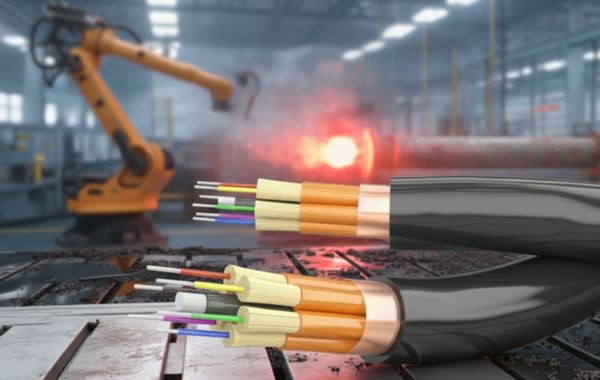
A special cable is any customized cable designed specifically to meet unique application requirements. Unlike standard cables that follow fixed specifications, special cables are engineered based on the specific needs of the environment, operation, or system where they will be used. There is no standard definition or specification for special cables because each one is tailored to address particular challenges.
These cables are designed with advanced materials and technologies to perform efficiently in conditions where regular cables would fail. They can withstand extreme temperatures, resist harsh chemicals, handle continuous mechanical stress, or operate in hazardous environments. The customization can involve the conductor material, insulation type, shielding methods, jacket composition, or even the overall cable construction.
How Many Types of Special Cables Are There?
The types of special cables are virtually limitless because they are created based on specific needs. However, some common categories have emerged based on typical industry requirements:
Composite Cables: One of the most versatile types of special cables is the composite cable. These cables combine two or more different types of cables into one single unit. A single composite cable can integrate power conductors, control wires, signal cables, and even pneumatic pipes or coaxial cables into one assembly. This integration reduces the number of separate cable runs needed in an installation.
Fire-Resistant Cables: These cables are manufactured using special materials that maintain circuit integrity during fire emergencies. Fire-resistant cables keep circuits intact and functional in the event of a fire, making them crucial for safety systems such as alarms and sprinklers.
High-Temperature Cables: Designed with specialized insulation materials that can withstand extreme heat without degrading, these cables are essential for power plants, furnaces, and industrial processes involving high temperatures.
Armored Cables: These cables have an additional protective layer, usually made of steel or aluminum, that provides extra durability and protection against mechanical damage, crushing, or impact. They are ideal for underground installations or outdoor industrial sites.
Flexible and Robotic Cables: Robotic cables are especially developed for high mechanical stress in the robotic industry and have to withstand tensile and torsional stress as well as millions of alternating bending cycles.
Marine and Underwater Cables: These cables are specially engineered to resist water, salt, and pressure, making them perfect for offshore installations, underwater data transmission, and submarine power applications.
Instrumentation Cables: These special cables are used to transmit signals or measurements to enable monitoring and control in industrial environments, facilitating accurate data transmission and reducing electrical noise.
Where Are Special Cables Used?
Special cables find applications across numerous industries and scenarios where standard cables cannot meet the operational demands:
Space-Constrained Installations: Composite cables are particularly valuable where installation space is limited. Instead of running multiple separate cables, a single composite cable can carry power, control signals, and data, significantly reducing the physical space required and simplifying cable management.
Industrial Manufacturing: Factories and production facilities use special cables to withstand continuous motion, oil exposure, high temperatures, and chemical environments that would quickly degrade standard cables.
Energy and Power Generation: Special cables like high-temperature cables are vital for power plants, solar farms, and wind turbines, where extreme conditions are routine.
Telecommunications: Hybrid cables and underwater cables are used to transmit data across long distances, including under the sea.
Automotive and Aerospace: Flexible and high-performance cables are crucial for systems in electric vehicles and aircraft, ensuring high reliability under extreme conditions.
Mining and Oil & Gas: These hazardous environments demand armored cables and high-temperature resistant cables that can handle extreme conditions and provide reliable performance.
Robotics and Automation: Modern automated systems require cables that can endure millions of bending cycles while maintaining electrical integrity and signal quality.
Marine and Shipbuilding: Ship cables have to be flame retardant, halogen free and self-extinguishing, installed in narrow spaces while demanding highest cable flexibility.
Benefits of using Special Cables
Choosing the right special cable for your application offers numerous advantages:
Enhanced Safety: Fire-resistant and flame-retardant cables prevent electrical fires from spreading, which is vital in buildings, power stations, and hazardous industries. They help ensure the safety of personnel and protect valuable equipment.
Space Optimization: Composite cables eliminate the need for multiple cable runs, reducing installation space requirements and simplifying cable routing. This is particularly beneficial in crowded industrial environments, control panels, and machinery.
Longevity and Durability: Special cables are designed to withstand harsh conditions, reducing the need for frequent replacements and minimizing downtime. This translates to lower maintenance costs and better operational continuity.
Optimized Performance: By using cables specifically engineered for your environment and application, you ensure maximum system reliability and efficiency. The cable’s design matches the operational demands, preventing premature failures.
Cost Efficiency: While special cables may have a higher initial cost, their extended lifespan and reduced maintenance requirements result in lower total cost of ownership over time. For example, XLPE cables have a lifespan of over 40 years, significantly reducing total lifecycle costs.
Regulatory Compliance: Many industries require the use of specific cables to comply with safety and environmental regulations, and special cables ensure compliance with industry standards.
Convenience and Simplified Installation: Composite cables and pre-assembled cable systems reduce installation time, labor costs, and the potential for connection errors.
How to choose the right Special Cable
Selecting the appropriate special cable requires careful consideration of several factors:
Evaluate the Application Environment: First, evaluate the environment where the cable will be used, considering temperatures it will be exposed to, whether it will be exposed to any chemicals, or if it will require special physical protection to prevent mechanical damage.
Electrical Performance Requirements: Select the cable based on the power, voltage level and current capacity it will transmit. Undersized cables can overheat and fail prematurely, while oversized cables increase costs unnecessarily.
Mechanical Stress Factors: Consider whether the cable will experience bending, twisting, vibration, or other mechanical movements. Applications involving robotics or moving machinery require cables with exceptional flexibility and fatigue resistance.
Safety and Regulatory Requirements: Identify applicable safety standards, fire codes, and industry regulations. Ensure the cable meets or exceeds these requirements.
Material Selection: Choose insulation and jacketing materials appropriate for your environment. Consider factors like temperature rating, chemical resistance, UV resistance, and moisture protection.
Quality and Certification: Work with reputable manufacturers who can provide proper certifications and quality documentation. Look for cables tested to international standards.
Future Requirements: Consider future expansion or changes in operational conditions. Selecting cables with some safety margin can provide flexibility for future modifications.
Consult Experts: When in doubt, consult with cable manufacturers or electrical engineers who specialize in your industry. Their expertise can help you avoid costly mistakes and ensure optimal cable selection.
Frequently Asked Questions
Are Special Cables safe in industrial settings?
Yes, special cables are specifically designed to enhance safety in industrial environments. They incorporate safety features like fire resistance, flame retardance, and low smoke emission properties. Many special cables are engineered to maintain circuit integrity during emergencies, ensuring that critical safety systems remain operational when needed most. When properly selected, installed, and maintained according to manufacturer guidelines and industry standards, special cables provide superior safety compared to standard cables.
How long will a Special Cable last?
If you purchase electrical cables manufactured according to International Standards, your cables’ lifespan is expected to be between 20-30 years. However, the actual lifespan varies significantly based on several factors. XLPE-insulated cables can last 40-50 years or more with proper maintenance, while cables in harsh environments may have shorter lifespans. Key factors affecting cable life include operating temperature, electrical loading, environmental conditions, installation quality, and maintenance practices. Under normal conditions and with proper installation and regular maintenance, quality special cables can last between 30 to 40 years. Regular inspections and proper maintenance can significantly extend cable life.
Do I need Special Joints or Terminations?
Yes, most special cables require appropriate joints and terminations designed specifically for their construction and operating conditions. Using improper connection methods can create weak points that compromise the cable’s performance and safety features. Special cables often need specialized accessories such as shielding terminations, environmental sealing, strain relief devices, and temperature-rated connectors. It’s essential to use manufacturer-recommended installation accessories and follow proper installation procedures. Poor-quality joints and terminations are common points of failure and can negate the benefits of using special cables. Always consult the cable manufacturer’s specifications and use certified installation materials.
Conclusion
Special cables are a critical investment in operational reliability, safety, and efficiency. Understanding the various types and selection criteria enables informed decisions that protect your operations and reduce long-term costs. Whether you need composite, fire-resistant, or flexible cables, there’s a solution for your needs. While initial costs may be higher, the benefits of enhanced safety, extended lifespan, and reduced maintenance make special cables cost-effective for demanding applications.
Author
More for you to read
What is a Profibus Cable? Types, Uses, Benefits
Profibus cable is a specialized industrial communication cable used to connect field devices such as sensors, actuators, drives, and PLCs...
What Are Power Cables? Types, Uses, Benefits & Guide to Choose
Every time you switch on a light, start a machine, or power a building, electricity travels through a power cable...