
 Hemchandra Gore | February 5, 2026
In modern industrial environments, accurate data/signal transmission is the backbone of efficient operations. Instrumentation cables play a critical role in ensuring that monitoring and control systems function reliably. Whether you’re managing a chemical plant, oil refinery, or manufacturing facility, understanding instrumentation cables is essential for maintaining operational excellence.
What is an Instrumentation Cable?
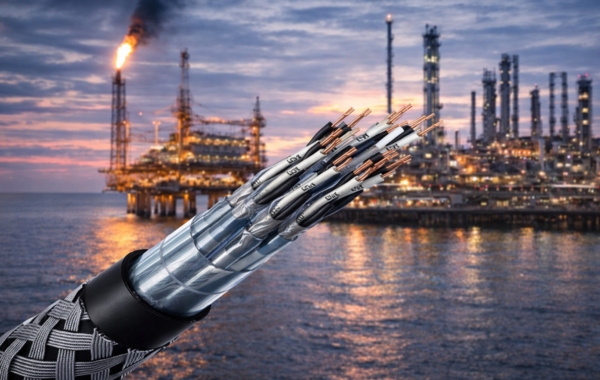
Instrumentation cables are specialized electrical cables designed to transmit low-voltage signals for monitoring, measuring, and controlling industrial processes. Unlike power cables that carry high electrical currents, instrumentation cables are engineered to handle delicate electronic signals with exceptional accuracy.
These cables are built with multiple protective layers to minimize electrical noise and electromagnetic interference (EMI), which can distort signals and lead to measurement errors. The construction typically includes twisted pairs, Triads / Quad conductors, individual and/or collective shielding, and robust outer jackets that protect against harsh industrial conditions including chemicals, moisture, and extreme temperatures.
The primary purpose of instrumentation cables is to maintain signal integrity from sensors and transmitters to control systems and data acquisition equipment. Even minor signal degradation can result in incorrect readings, potentially causing process inefficiencies, safety hazards, or equipment damage.
How many types of Instrumentation Cables?
Instrumentation cables come in various configurations to suit different industrial requirements. The main types include:
Individually Shielded Cables: Each twisted pair has its own metallic shield, providing maximum protection against crosstalk between circuits. These are ideal for applications requiring multiple independent signal paths in a single cable.
Collectively Shielded Cables: All conductor pairs are covered by a single shield layer. These are more economical and suitable for applications where crosstalk between pairs is not a concern.
Individually and Collectively Shielded Cables: This configuration combines both shielding methods, offering the highest level of EMI protection. These cables are used in extremely noisy environments or for critical measurements.
Armoured Instrumentation Cables: These feature an additional layer of mechanical protection, typically steel wire or tape armour, making them suitable for underground installations or areas where physical damage is a risk.
Thermocouple Extension Cables: Specialized cables designed to connect thermocouples to control systems while maintaining measurement accuracy across temperature variations.
Multipair Cables: Available with varying numbers of pairs (2 to 48 or more), allowing multiple signals to be transmitted within a single cable assembly, reducing installation costs and cable management complexity.
Where are Instrumentation Cables used?
Instrumentation cables are essential across numerous industrial sectors where precise monitoring and control are paramount:
Process Control Systems: In chemical plants, refineries, and pharmaceutical facilities, these cables connect sensors measuring temperature, pressure, flow, and level to distributed control systems (DCS) and programmable logic controllers (PLCs).
Data Acquisition: Research laboratories, testing facilities, and quality control departments rely on instrumentation cables to transmit analog and digital signals from measurement devices to data logging systems with minimal signal loss.
Industrial Automation: Manufacturing plants use these cables extensively to connect various instruments, analyzers, and transmitters to central control rooms, enabling real-time monitoring and automated process adjustments.
Oil and Gas Industry: From upstream exploration to downstream refining, instrumentation cables operate in challenging environments, connecting wellhead sensors, pipeline monitoring equipment, and safety instrumentation systems.
Power Generation: Nuclear, thermal, and renewable energy facilities depend on instrumentation cables for critical measurements related to turbine performance, emissions monitoring, and safety systems.
Water and Wastewater Treatment: These facilities use instrumentation cables to monitor water quality parameters, flow rates, and chemical dosing systems.
Benefits of using Instrumentation Cables
Superior Signal Integrity: The shielded construction and twisted pair design effectively reject electromagnetic interference, ensuring accurate data transmission even in electrically noisy industrial environments.
Reliability and Longevity: High-quality materials and robust construction result in extended service life, reducing replacement frequency and maintenance costs.
Safety Compliance: Instrumentation cable manufacturers design and produce cables in compliance with international standards such as IEC, BS, and NEC, ensuring safe and reliable operation in hazardous environments when properly selected.
Versatility: With various configurations available, these cables can accommodate different signal types, voltage levels, and environmental conditions within a single product family.
Cost Efficiency: Despite higher initial costs compared to standard cables, the reduction in signal errors, downtime, and troubleshooting expenses provides excellent long-term value.
Enhanced Process Control: Accurate signal transmission leads to better process optimization, quality control, and energy efficiency, directly impacting profitability.
How to choose the right Instrumentation Cable
Selecting the appropriate instrumentation cable requires careful consideration of several factors:
Environmental Conditions: Assess temperature ranges, chemical exposure, moisture levels, and UV radiation. Choose cable materials and jacket compounds rated for your specific environment.
Signal Type and Level: Determine whether you’re transmitting analog (4-20mA, 0-10V) or digital signals, and select cables with appropriate impedance and capacitance characteristics.
Electrical Noise Environment: In areas with high EMI from motors, VFDs, or welding equipment, opt for individually shielded or armoured cables with proper grounding.
Installation Method: Consider whether cables will be installed in trays, conduits, buried underground, or exposed. This affects the need for armouring and mechanical protection.
Regulatory Requirements: Verify compliance with relevant standards for your industry and location, particularly for hazardous area classifications (ATEX, IECEx, NEC).
Number of Circuits: Calculate the total number of signal pairs needed, allowing for future expansion while avoiding oversized cables that complicate installation.
Budget Constraints: Balance initial costs against long-term performance requirements and maintenance expenses.
Frequently Asked Questions
Are instrumentation cables safe in industrial settings?
Yes, when properly selected and installed, instrumentation cables are extremely safe. They are designed with flame-retardant/ Fire resistant materials and comply with stringent safety standards. For hazardous locations, cables certified for specific zone classifications ensure safe operation in potentially explosive atmospheres. However, proper installation practices, including correct termination, grounding, and cable segregation from power circuits, are essential for maintaining safety.
How long will an instrumentation cable last?
The lifespan of instrumentation cables typically ranges from 20 to 30 years, depending on environmental conditions, installation quality, and instrumentation cable specifications. Cables installed in controlled indoor environments generally last longer than those exposed to harsh outdoor conditions, chemicals, or mechanical stress. Regular inspection and preventive maintenance can help identify degradation early and extend service life. Premium cables with superior materials may offer extended warranties and longer operational lifespans.
Do I need special joints or terminations?
Yes, proper termination is crucial for instrumentation cable performance. Specialized terminal blocks, connectors, and junction boxes designed for instrumentation applications ensure signal integrity and shield continuity. The termination method depends on the instrument connection type—some require compression fittings, while others use solder or screw terminals. Proper shielding termination and grounding are particularly important to maintain EMI protection. Many manufacturers provide specific termination guidelines that should be followed to preserve cable warranties and ensure optimal performance.
Conclusion
Instrumentation cables are indispensable components of modern industrial infrastructure, enabling precise monitoring and control that drive operational efficiency and safety. Understanding the different types, applications, and selection criteria empowers facility managers and engineers to make informed decisions that optimize both performance and cost-effectiveness.
By choosing the right instrumentation cables and ensuring proper installation, industries can achieve reliable, accurate, and long-lasting signal transmission systems that form the foundation of successful process control. As industrial automation continues to advance, the role of high-quality instrumentation cables will only become more critical in maintaining competitive advantage and operational excellence.
Author
More for you to read
What is a Profibus Cable? Types, Uses, Benefits
Profibus cable is a specialized industrial communication cable used to connect field devices such as sensors, actuators, drives, and PLCs...
What Are Power Cables? Types, Uses, Benefits & Guide to Choose
Every time you switch on a light, start a machine, or power a building, electricity travels through a power cable...