
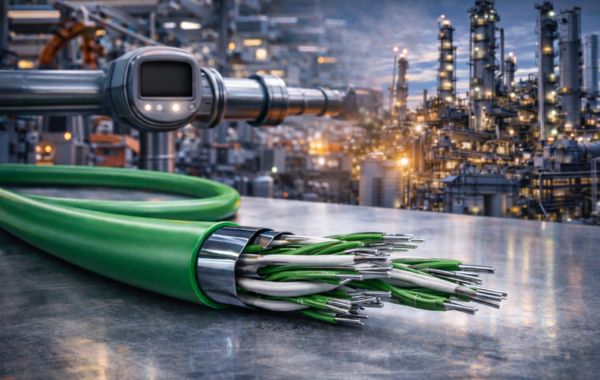
Temperature measurement is a critical aspect of modern industrial processes. Whether you’re monitoring a furnace, controlling a chemical reaction, or ensuring product quality in manufacturing, accurate temperature sensing is essential.
This is where thermocouple cables come into play as one of the most reliable and versatile temperature measurement solutions available today.
What is a Thermocouple Cable?
A thermocouple cable is a specialized electrical cable made of two different metallic alloy conductors that work together to transmit electrical signals from a thermocouple sensor to a measuring or control device. These cables are designed to maintain the integrity of the temperature signal as it travels from the point of measurement to the instrumentation.
The fundamental principle behind thermocouple cables is the Seebeck effect, where two dissimilar metals joined at one end create a voltage proportional to the temperature difference between the measurement junction and the reference point. The thermocouple cable serves as the critical link that carries this voltage signal to controllers, recorders, or display devices without introducing errors or signal degradation.
Unlike standard electrical cables, thermocouple cables are manufactured from specific alloy combinations that match the thermocouple type they’re designed to work with. This matching is crucial because using incorrect cable types can introduce measurement errors that compromise temperature readings and process control.
Types of Thermocouple Cables
Thermocouple cables come in various types, each designated by a letter code followed by an “X” to indicate extension grade wire. The most common types include:
Type JX (Iron-Constantan)
Type JX cables are designed for use with Type J thermocouples. They consist of iron and constantan alloy conductors and are suitable for general-purpose applications with a temperature range of negative forty to seven hundred sixty degrees Celsius. These cables are commonly used in laboratory settings and certain manufacturing processes. However, they should be avoided in oxidizing atmospheres at high temperatures as the iron conductor can rust or degrade.
Type KX (Chromel-Alumel)
Type KX is the most widely used thermocouple cable type globally. Made from chromel and alumel alloys, these cables can handle temperatures ranging from negative two hundred seventy to one thousand three hundred seventy-two degrees Celsius. Their popularity stems from their excellent accuracy, reliability, and versatility across diverse industrial applications. Type KX cables are particularly valued for their durability and cost-effectiveness.
Type TX (Copper-Constantan)
Type TX cables work with Type T thermocouples and are ideal for low-temperature applications. Their temperature range extends from negative two hundred fifty to three hundred fifty degrees Celsius, making them perfect for cryogenic applications, food processing, and HVAC systems. Type TX cables are known for their high accuracy in low-temperature measurements.
Type EX (Chromel-Constantan)
Type EX cables feature chromel and constantan conductors and are suitable for temperatures between negative two hundred to nine hundred degrees Celsius. These cables are known for their high output signal, which provides better noise immunity in electrically challenging environments. They’re commonly used in applications requiring precise temperature control.
Other Specialized Types
Additional thermocouple cable types include NX (similar to Type K but with enhanced stability), RX and SX (platinum-based noble metal cables for high-temperature applications), and BX (also platinum-based for extremely high temperatures). Each type is engineered for specific temperature ranges and environmental conditions.
Where Thermocouple Cables are used (Applications)
Thermocouple cables find extensive applications across numerous industries where temperature measurement and control are critical:
Industrial Manufacturing
In manufacturing facilities, thermocouple cables are essential for monitoring temperatures in furnaces, kilns, heat treatment equipment, and metal processing operations. They enable precise temperature control that ensures product quality and process efficiency. Industries such as steel production, glass manufacturing, and ceramic processing rely heavily on these cables for their high-temperature measurement capabilities.
Plastic Processing
Plastic injection moulding machines use thermocouple cables to monitor barrel temperatures, mould temperatures, and heating element performance. Accurate temperature control in plastic processing directly impacts product quality, cycle times, and energy efficiency. Thermocouple cables provide the reliable temperature feedback necessary for optimal process control.
Power Generation
Power plants depend on thermocouple cables for temperature monitoring in boilers, turbines, generators, and heat exchangers. These measurements are critical for operational efficiency, equipment protection, and emissions control. The ability to withstand harsh environments makes thermocouple cables ideal for power generation applications.
Chemical and Pharmaceutical Industries
Chemical reactors, distillation columns, autoclaves, and pharmaceutical processing equipment all require precise temperature monitoring. Thermocouple cables provide the accuracy and reliability needed to maintain product quality and ensure process safety in these demanding applications.
Food and Beverage Processing
From commercial ovens and refrigeration systems to pasteurization equipment and cooking processes, thermocouple cables ensure food safety by maintaining proper temperature control throughout production and storage.
Aerospace and Automotive
Engine testing, exhaust gas temperature monitoring, and component testing in extreme conditions all rely on thermocouple cables. The aerospace industry particularly values their ability to provide accurate measurements in harsh environments with vibration, pressure fluctuations, and temperature extremes.
HVAC Systems
Heating, ventilation, and air conditioning systems use thermocouple cables for temperature regulation and energy management, contributing to comfort and energy efficiency in commercial and residential buildings.
Benefits of using Thermocouple Cables
Thermocouple cables offer numerous advantages that make them the preferred choice for industrial temperature measurement:
Wide Temperature Range
Thermocouple cables can measure temperatures from cryogenic levels up to two thousand seven hundred degrees Celsius, depending on the type. This extensive range allows a single technology to serve applications from freezers to blast furnaces.
Durability and Robustness
These cables are built to withstand harsh industrial environments including vibration, mechanical stress, moisture, and chemical exposure. Their rugged construction ensures reliable operation even in the most demanding conditions.
Fast Response Time
Thermocouple cables provide rapid temperature response, making them ideal for applications requiring quick detection of temperature changes. This fast response enables better process control and quicker reaction to temperature deviations.
Cost-Effectiveness
Compared to other temperature measurement technologies, thermocouple cables offer an excellent balance of performance and affordability. Their relatively low cost, combined with long service life, makes them economically attractive for large-scale industrial installations.
Simple Installation
Thermocouple cables are straightforward to install and integrate into existing systems. Standard colour coding according to international standards simplifies identification and connection, reducing installation time and potential errors.
Self-Powered Operation
Thermocouples generate their own voltage signal and don’t require external power sources, simplifying system design and improving reliability in certain applications.
Electromagnetic Interference Protection
When properly shielded, thermocouple cables provide excellent protection against electromagnetic interference, ensuring accurate measurements even in electrically noisy industrial environments.
How to Choose the Right Thermocouple Cable
Selecting the appropriate thermocouple cable requires careful consideration of several factors:
Temperature Range Requirements
Match the cable type to your application’s temperature range. Type K and N cables work well for high-temperature applications, while Type T excels in low-temperature environments. Using a cable outside its rated temperature range can lead to premature failure or measurement errors.
Environmental Conditions
Consider the atmosphere where the cable will operate. Oxidizing, reducing, corrosive, or wet environments each require different cable constructions and insulation materials. For example, Type J cables should be avoided in wet or highly oxidizing conditions.
Insulation Material Selection
Choose insulation based on your temperature requirements and environmental exposure. Common options include PVC for general purpose up to one hundred five degrees Celsius, PFA for up to two hundred degrees Celsius with good chemical resistance, fiberglass for industrial use up to four hundred eighty degrees Celsius, and silicone rubber for flexibility in temperatures up to two hundred degrees Celsius.
Accuracy and Tolerance Requirements
Standard limits of error cables are suitable for most applications, but critical processes may require special limits of error cables that offer tighter tolerances and better accuracy.
Cable Construction
Consider whether you need shielding for electromagnetic interference protection, armouring for mechanical protection, single or multipair configurations, and solid versus stranded conductors. Shielded cables are essential in electrically noisy environments, while armoured cables provide protection in mechanically harsh conditions.
Length and Routing
Plan cable routes carefully to minimize noise pickup and mechanical stress. Avoid running thermocouple cables parallel to power cables, and use proper support to prevent cable damage from vibration or movement.
Compliance and Standards
Ensure cables meet relevant industry standards such as ANSI MC96.1, IEC 60584, or ASTM E230. Compliance with these standards ensures predictable performance and compatibility with instrumentation.
Supplier Reputation
Work with reputable suppliers who can provide technical support, certification documents, and guidance on cable selection. Quality suppliers offer calibration data and can help troubleshoot installation issues.
Frequently Asked Questions
Are Thermocouple Cables Safe in Industrial Settings?
Yes, thermocouple cables are designed specifically for industrial use and incorporate multiple safety features. They include flame-retardant insulation that meets international safety standards, protective sheathing that guards against mechanical damage and chemical exposure, and proper grounding options to prevent electrical hazards. When installed according to manufacturer specifications and industry codes, thermocouple cables provide safe and reliable operation. Many cables meet stringent safety certifications including UL, FM, and IEC standards. However, proper installation practices, regular inspection, and maintenance are essential to maintain safety over the cable’s service life.
How Long Will a Thermocouple Cable Last?
The lifespan of a thermocouple cable varies significantly depending on operating conditions. Under normal conditions in controlled environments, these cables can last several years to decades. Type K thermocouples typically last around twenty years in appropriate conditions, while Type N thermocouples may last up to thirty years. However, factors that influence lifespan include operating temperature, environmental conditions such as moisture and corrosive atmospheres, mechanical stress from vibration or bending, proper installation and routing, and maintenance practices. High-temperature applications or harsh environments may require more frequent replacement. Regular inspection and testing help identify degradation before it affects process control. In demanding applications, establishing replacement schedules based on historical performance data ensures reliability.
Do I Need Special Joints or Terminations?
Proper termination is crucial for accurate temperature measurement. Thermocouple cables require specific connection methods to maintain measurement integrity. Standard thermocouple connectors with matching polarity must be used, and colour coding according to ANSI or IEC standards should be followed carefully. When joining cables, use appropriate thermocouple-grade terminal blocks or connectors rather than standard electrical terminals. For field installations, proper strain relief prevents mechanical stress at connection points. Many applications benefit from terminal heads or connection housings that protect terminations from environmental exposure. When extending cables, use only matching extension wire types. Avoid mixing cable types or using non-thermocouple wire, as this introduces measurement errors. For critical applications, have qualified technicians perform terminations and verify connections with proper testing equipment.
Conclusion
Thermocouple cables are essential for industrial temperature measurement, offering versatility, durability, and cost-effectiveness across diverse applications. Proper cable selection, matching types to requirements, and following installation best practices ensure accurate measurements and system longevity.
Work with experienced suppliers and consult relevant standards to achieve reliable, safe temperature monitoring in your applications.
More for you to read

What Are Hybrid Cables? Types, Applications, Benefits & Guide to Choose
In today’s rapidly evolving industrial landscape, efficient connectivity solutions are more important than ever. Hybrid cables have emerged as a...
What are Special Cables? Types, Applications, Benefits & Guide to choose
In today’s industrial world, standard cables cannot always meet the unique demands of specialized applications. This is where special cables...