
Quality engineered.
Tested. Proven.
Inspected and tested at every stage, from raw material to drum tag.
01Quality at every stage
A cable is inspected at every stage before it is invoiced. Each stage has a defined check, a defined record, and the authority stops the material where it stands. Where a stage is a hold point, the batch does not move to the next operation until the result is signed off.
02Our quality assurance system
The stages above are the visible part. Behind them sits a documented system that decides who may supply, what is measured, who signs, and what happens when a result falls outside the limit. The functions below set it out.
Every material entering the plant is sourced from an Approved Vendor List (AVL). Supplier approval requires:
Incoming lots are sampled according to a defined inspection plan and are not accepted on certificate review alone. Material-specific checks include:
Each construction runs to a documented control plan specifying the parameter, inspection frequency, instrument, and acceptance limit.
Finished product is tested against the applicable governing standard and any additional customer-specific requirements.
Rejections, customer complaints, and internal audit findings are consolidated into a single CAPA register and tracked through closure.
03Types of testing
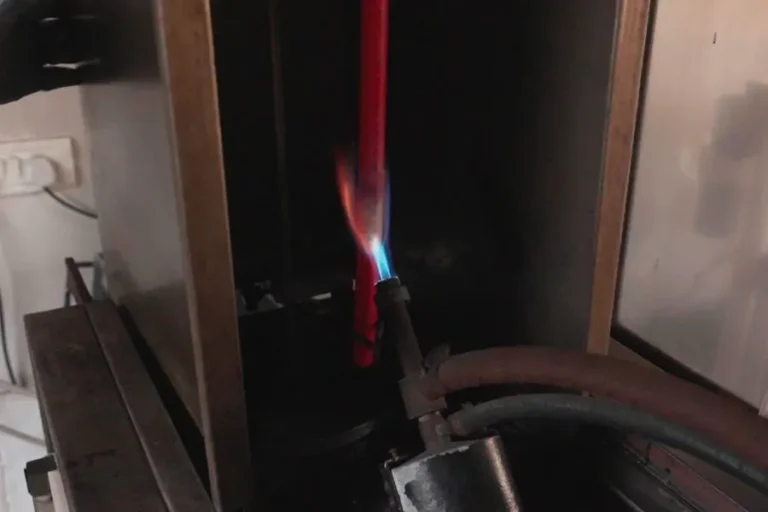
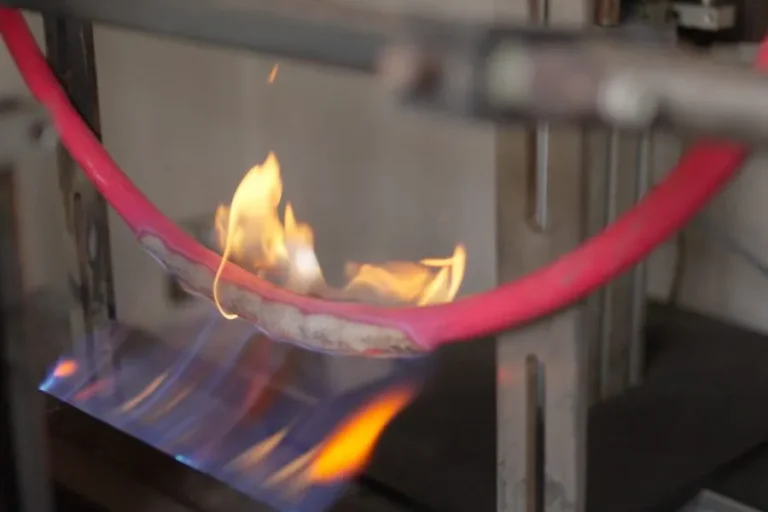
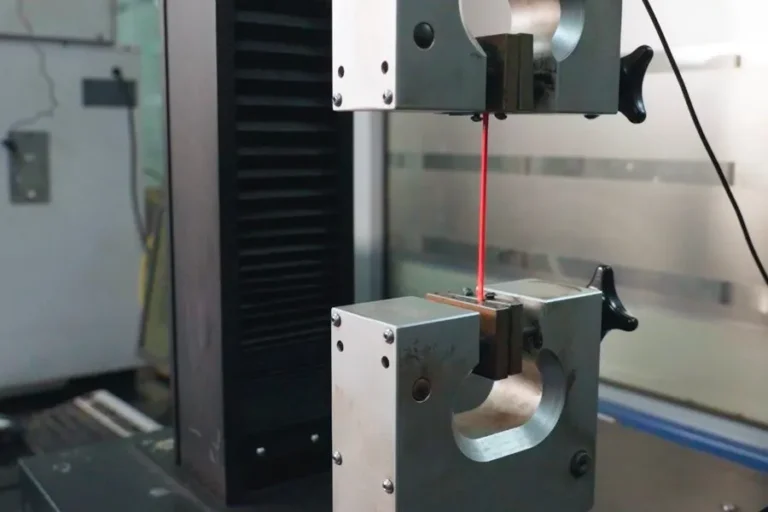
All testing is performed in-house. The grouping below follows the laboratory register, and each entry carries the standard it is performed to and what the test establishes.
04The laboratory
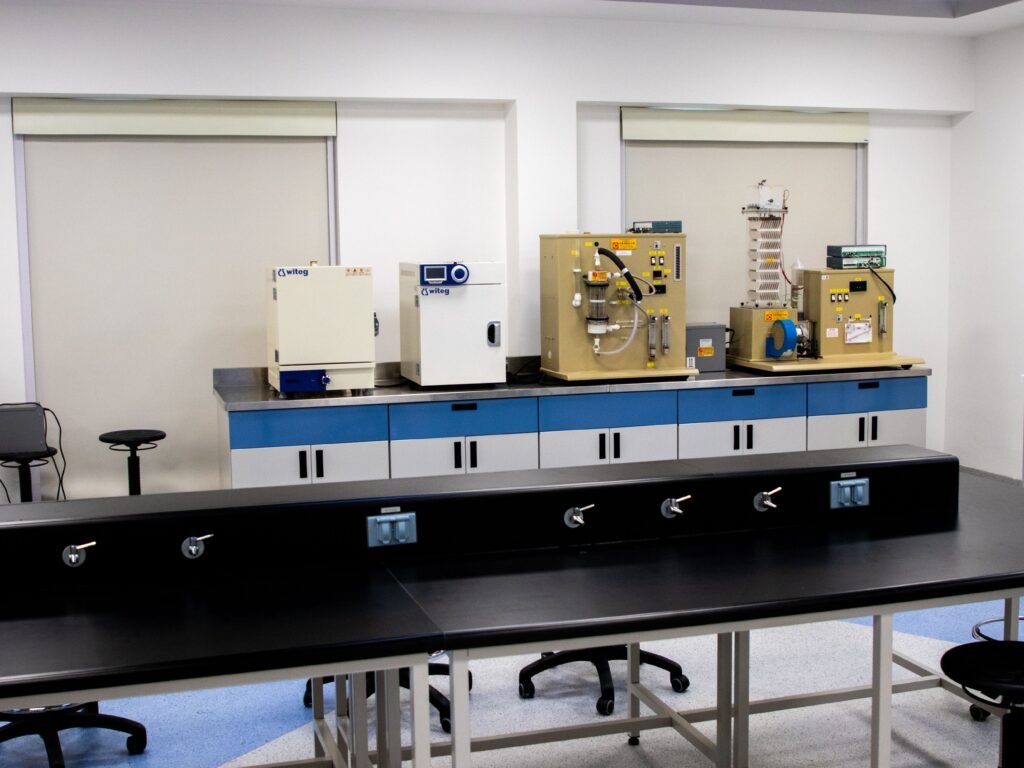
The laboratory sits inside the production hall rather than beside it. Samples are drawn from the line as it runs, so a spark test or a conductor resistance check can stop a drum before it is ever wound off, and the routine checks that follow a batch through the day are made on the same instruments as a full type approval.
Instruments are held under a calibration schedule with traceability to national standards. Each carries a calibration label and due date, and a machine out of calibration is locked out rather than used with a caveat.
Testing is performed under a documented quality management system, using the test method and acceptance criteria specified by the applicable standard and customer order.
Laboratory testing is performed by trained technicians using documented test methods, with independent quality review before results are released.
The laboratory supports production control, product approval, and development from within the same facility. Its location inside the production hall allows test results to be connected directly to manufacturing conditions.
05Product traceability
Give us a drum number and we can name the copper lot, the compound batch, the extruder, the shift and the test results behind it. The chain is unbroken in both directions: forward from a raw material lot to every drum it reached, and backward from a drum to everything that went into it.
06Test reports & documentation
A cable is only as good as the paper that proves it. The document set issued with a consignment is agreed at order stage, so there is no argument on delivery about what should have been supplied.
| Document | Issued | What it contains |
|---|---|---|
| Routine test certificate | Every consignment | Product identification, purchase order, applicable standard, drum or batch references, routine tests required by the governing specification, acceptance limits, actual results, test date and authorised approval. |
| Type test report | When required by the purchase order, approval scheme or customer specification | Identification of the tested construction, applicable standard and clauses, test methods, sample details, test conditions, acceptance criteria, actual results, conclusion, report reference and approval. |
| Certificate of conformity | With each consignment, where contractually required | Signed declaration that the supplied product conforms to the purchase order, approved drawing and applicable standard or customer specification, with product and drum identification. |
| Material test certificate | When required by the order or customer specification | Material identification, supplier or manufacturer, batch or lot number, applicable material specification, specified properties, actual results and traceability to the finished cable batch. |
| Drum and packing list | With each consignment | Drum number, cable description, size and construction, length, gross weight, net weight, packing details and dispatch references. |
| Inspection release note | When inspection or witnessing is contractually required | Inspection reference, purchase order, inspected quantity, witnessed tests, result or acceptance status, pending points or concessions, drum numbers, date and inspector authorisation. |
07Non-conformance & continuous improvement
A quality system is judged by how it responds to failure, not by how few failures it reports. Every deviation, identified internally, raised by an inspector, or reported by a customer, enters the same register and follows the same process.